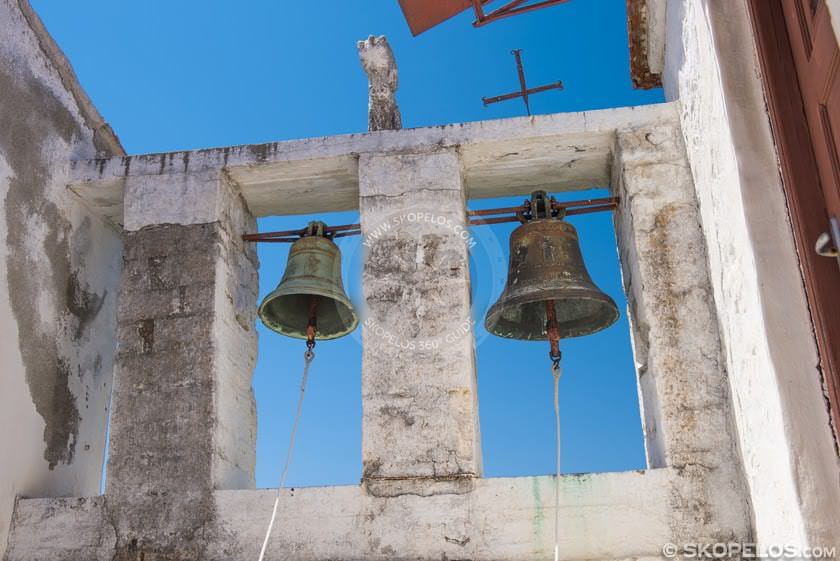
Skopelos Monasteries Agios Ioannis Prodromos Photo

Customs and Tradition of Skopelos

Skopelos Island

Skopelos Traditions – Skopelos Customs

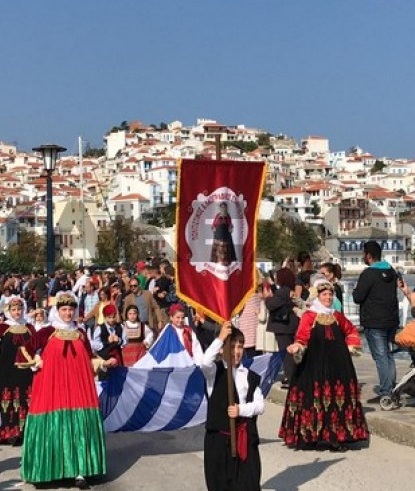
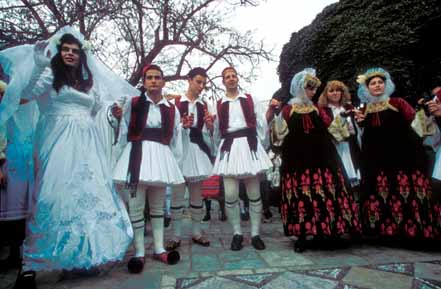
Over the years, many traditions and customs have been preserved. Life in Skopelos for years has been interwoven with shipping, an,d to be expected, many daily habits are related to this nautical life. Belief in the Saints of the island and religion softened the pain of families as they waited for the return of their loved ones from the sea and from abroad. Saint Riginos, who is also the protector of the island, has also killed a dragon, according to the legend. Also, the Skopelists use divination to learn about the coveted return of their loved ones with eggs or with icons. The Commissioner received a candle from the four Lamps of the Epitaph and gave it to the sailors for good luck. As a talisman, the priest offers pieces from the Saint Nicolas Candle, the saint of the seamen, on December 6th. He gives it to the families of the seamen.
Skopelos Customs and Skopelos Tradition
Renouncing evil or entering on the right foot is something that we find even today. This happens on New Year. The lady of the house must bring water to sprinkle everyone for good luck. She also holds an iron rod so everyone can be as strong and healthy as iron. There is also another custom that happens on September 1st. On the first day of the harvest of the grapes, the lady of the house sprinkles clean water and holds a stone. She enters her home on her right foot and either steps on a pomegranate or kisses an icon of good luck. The Skopelists believe in the evil eye, as well. They have different ways to get rid of the evil eye. They say a specific prayer, and sometimes they put oil into water, which dissolves. Some other times, they put three pieces of charcoal in the water that remains on the surface.

Similar Posts

  • Tom & Izabel

    Tom & Isabel Dempsey – Island Center for the Arts Tom and Isabel Dempsey are Skopelos-based artists who teach and exhibit locally, fostering the island's vibrant art scene.​​​‌​‌​‌​‌​‌‌​​ Tom and Isabel Dempsey, originally from Boston, have been part of Skopelos’ cultural life for more than two decades. In 1988, they founded the Island Center for…

  • Prince Stafylos

    Legends, Prince Stafylos, Sights, Culture, Treasures, Peparithos, Archeological Sites, Beaches, Traditions, Stafylos Beach, Stafylos, Stafilos Tumb Rock, Blog, Blogspot, Blogging, Blogs, Bloggers​‌‌‌​‌‌​‌‌​‌​​‌‌ Peparithos Skopelos, the green island of the Aegean, is the island of legends. Many wonderful stories are behind each name. In ancient times, the name of Skopelos was Peparithos. Of course, took its…

  • Revelry and Rhymes: The Songs of Apokries in Skopelos

    On Skopelos Island, Apokries is a time of joyous festivities, lively music, and vibrant parades. Locals and visitors alike embrace the spirit of the carnival season with elaborate costumes, colorful masks, and exuberant dancing. The streets of Skopelos Town and Skopelos Villages come alive with processions, where revelers march through the winding cobblestone lanes, showcasing…

  • Τhe celebration of October 28th in Skopelos

    National Holidays, 28 October, No Celebration, National Celebration, Anniversary of No, No Anniversary, national parade, greek liberation, NORTHERN SPORADES, GREECE, BLOGSPOT, BLOGGING, BLOGS, BLOGGERS, BLOG​​‌​‌​​​‌‌‌‌‌​‌‌ The celebration of October 28th in Skopelos National Holidays What do Greeks celebrate on 28 October? Usually, it is celebrated at the end of a war and the coming of…

  • Skopelos Carnival

    Carnival in Skopelos The Carnival in Skopelos lasts three weeks. Skopelos has always enjoyed the festivities especially the last two. Carnival was celebrated from ancient times, which is why we can see traditions from the ancient god Dionysus. For Skopelos, it is a great entertainment event for all ages and social classes. In the old…

  • Skopelos: A New Dimension in Archaeological Research

    The Ancient Skopelos Survey – AskoS is an innovative archaeological project that began in 2024, aiming to explore and uncover the island’s ancient past. This collaborative effort, involving the Ministry of Culture, the Polish Archaeological Institute in Athens, and the Directorate of Antiquities of Magnesia, will continue until 2028. The research combines modern techniques to…